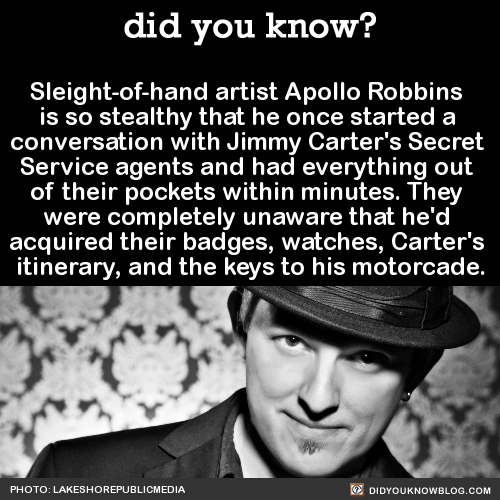
Sleight-of-hand artist Apollo Robbins is so stealthy that he once started a conversation with Jimmy Carter’s Secret Service agents and had everything out of their pockets within minutes. They were completely unaware that he’d acquired their badges, watches, Carter’s itinerary, and the keys to his motorcade. SourceSource 2
“In more than a decade as a full-time entertainer, Robbins has taken (and returned) a lot of stuff, including items from well-known figures in the worlds of entertainment (Jennifer Garner, actress: engagement ring); sports (Charles Barkley, former N.B.A. star: wad of cash); and business (Ace Greenberg, former chairman of Bear Stearns: Patek Philippe watch).
He is probably best known for an encounter with Jimmy Carter’s Secret Service detail in 2001. While Carter was at dinner, Robbins struck up a conversation with several of his Secret Service men. Within a few minutes, he had emptied the agents’ pockets of pretty much everything but their guns.
Gifs via: youtube/NBC
Robbins brandished a copy of Carter’s itinerary, and when an agent snatched it back he said, “You don’t have the authorization to see that!” When the agent felt for his badge, Robbins produced it and handed it back. Then he turned to the head of the detail and handed him his watch, his badge, and the keys to the Carter motorcade.”
this is the guy who they used as a consultant on Leverage, by the way, and was Parker’s counterpart in the Two Live Crew Job
I think this is the same guy who had the beautiful story with Penn Jillette. Jillette was asserting that the guy wasn’t all that great, so Robbins said “okay, draw me a circle on this piece of paper”, and when Jillette tried, he found his pen doesn’t work. Robbins was waving the cartridge for it at him.
As disabled members of the lgbt community we should be celebrating marriage equality, right? but unfortunately us disabled people who rely on government support to survive risk losing everything and becoming totally financially reliant on our partners if we marry or even move in together.
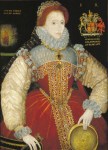
Mary and Elizabeth at the same time (1578) ages 36 and 45, obviously Elizabeth was the queen and her image was tightly controlled to appear to her subjects as eternally youthful and healthy, but it is often forgotten in popular culture that years of captivity took their toll on Mary, she wasn’t an 18 year old queen forever, women are allowed to age and Mary and Elizabeth both did. Elizabeth wore wigs yes but that was fashionable and as far as anyone knows nothing to do with her own natural hair besides the obvious fading and greying that occurs when you age. Mary also wore wigs as we know from her execution account, but this makes sense given Mary was 44 and it was the style of the day, it is not really a comment of the attractiveness or vanity of either women but rather the style of the Elizabethan era and the attempt to seem younger which was something they would have both felt being both women and queens.
Big Horses are a Very New Thing and they Likely Didn’t Exist in your Historical and/or Fantasy Settings.
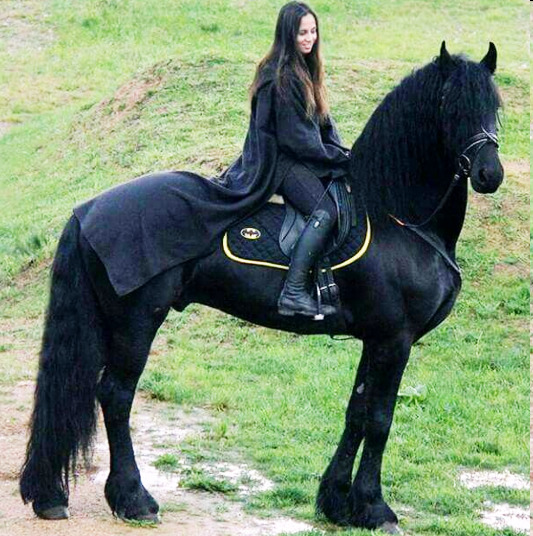
You’ve all seen it in every historical piece of media ever produced. Contrary to popular belief, a big black horse with long legs and long flowing mane is not a widespread or even a particularly old type of horse.
THIS IS NOT A MEDIEVAL THING. THIS IS NOT EVEN A BAROQUE THING. THIS IS A NINETEENTH CENTURY CITY CARRIAGE HORSE.
All the love to fancy Friesian horses, but your Roman general or Medieval country heroine just really couldn’t, wouldn’t, and for the sake of my mental health shouldn’t have ridden one either.
Big warmblood horses are a Western European and British invention that started popping up somewhere around 1700s when agriculture and warfare changed, and when rich folks wanted Bigger Faster Stronger Thinner race horses. The modern warmblood and the big continental draught both had their first real rise to fame in the 1800s when people started driving Fancy Carriages everywhere, and having the Fanciest Carriage started to mean having the Tallest and Thinnest Horses in the town.
Before mechanised weaponry and heavy artillery all horses used to be small and hardy easy-feeders. Kinda like a donkey but easier to steer and with a back that’s not as nasty and straight to sit on.
SOME REAL MEDIEVAL, ROMAN, OTTOMAN, MONGOL, VIKING, GREEK and WHATEVER HISTORICALLY PLAUSIBLE HORSES FOR YOU:
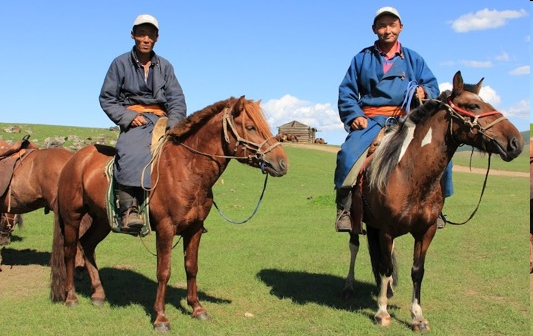
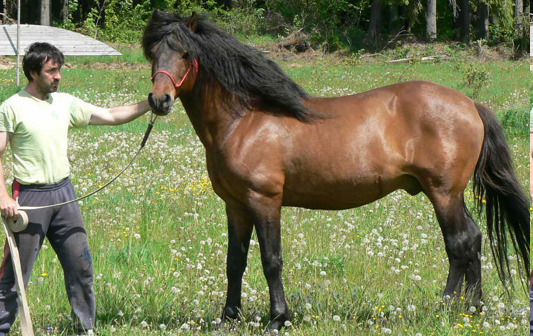
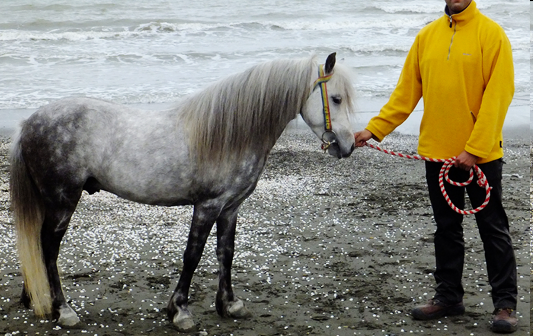
“Primitive”, native breeds all over the globe tend to be only roughly 120-140 cm (12.0 – 13.3 hh) tall at the withers. They all also look a little something like this:
Mongolian native horse (Around 120-130 at the withers, and decendants of the first ever domesticated horses from central Asia. Still virtually unchanged from Chinggis Khan’s cavalry, ancestor to many Chinese, Japanese and Indian horses, and bred for speed racing and surviving outdoors without the help of humans.)
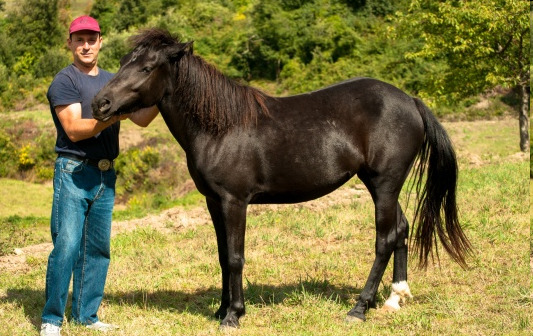
Carpathian native horse / Romanian and Polish Hucul Pony (Around 120-150 at the withers, first mentioned in writing during the 400s as wild mountain ponies, depicted before that in Trajanian Roman sculptures, used by the Austro-Hungarian cavalry in the 19th century)
Middle-Eastern native horse / Caspian Pony (Around 100-130 at the withers, ancestor of the Iranian Asil horse and its decendants, including the famous Arabian and Barb horses, likely been around since Darius I the Great, 5th century BC, and old Persian kings are often depicted riding these midgets)
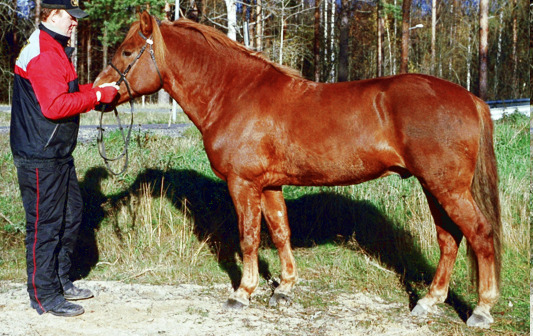
Baltic Sea native horse / Icelandic, Finnish, Estonian, Gotland and Nordland horses (Around 120-150 at the withers, descendant of Mongolian horses, used by viking traders in 700-900 AD and taken to Iceland. Later used by the Swedish cavalry in the 30 years war and by the Finnish army in the Second World War, nowadays harness racing and draught horses)
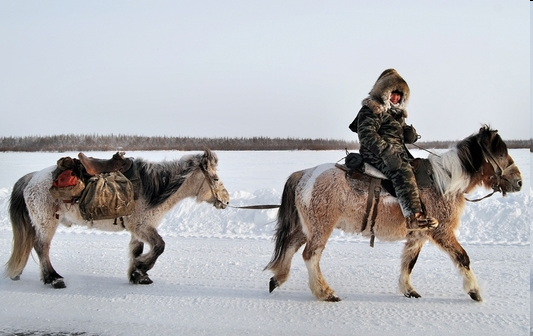
Siberian native horse / Yakutian pony (Around 120-140 at the withers, related to Baltic and Mongolian horses and at least as old, as well-adapted to Siberian climate as woolly mammoths once were, the hairiest horse there is, used in draught work and herding)
Mediterranean native horse / Skyros pony, Sardinian Giara, Monterufolino (Around 100-140 at the Withers, used and bred by ancient Greeks for cavalry use, influenced by African and Eastern breeds, further had its own influence on Celtic breeds via Roman Empire, still used by park ranger officers in Italy)
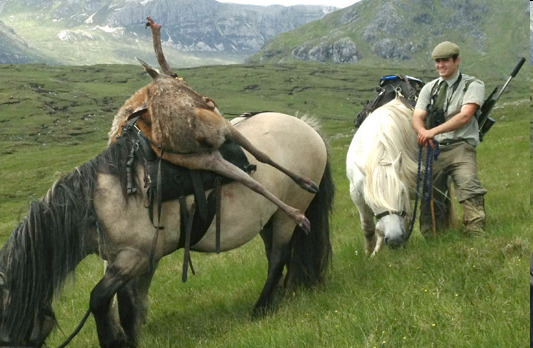
British Isles’ native horse / various “Mountain & Moorland” pony breeds (Around 100-150 at the withers, brought over and mixed by Celts, Romans and Vikings, base for almost every modern sport pony and the deserving main pony of all your British Medieval settings. Some populations still live as feral herds in the British countryside, used as war mounts, draught horses, mine pit ponies, hunting help and race horses)
So hey, now you know!
I love this so much – and now I know why Tall Lanky Thin horses have a terryfying vibe to them, and the “primitive” native pony-like breeds awake in me only hope and trust.
such valid historical finger-eaters here
Okay, so, you got me, I’m a horse person. I used to take riding lessons and would read tons of books about horses as a kid and teenager. You could definitely say I was that weird horse girl, and I really have to say even though this is really informative about the native types of equines in the general European and Middle Eastern areas how FULL OF BS THIS POST IS, SO BUCKLE UP BUTTER CUPS YOU ALL ARE GONNA DO A LEARN TODAY.
So what OP said about the Roman General not riding a Middle Ages war horse is actually correct and here’s why: The Western Roman Empire fell BEFORE THE MIDDLE AGES BEGAN AND IS WHAT TRIGGERED THE BEGINNING OF THE MIDDLE AGES IN THE GODDAMN FIRST PLACE. And for those of you who aren’t aware, the Middle Ages was roughly a 1000 year period that consisted of the 5th through the 15th Century; aka. 400AD-1400AD, and ended with the beginning of the Renaissance. (x, x)
First off, NONE OF THOSE ARE HORSES. THOSE ARE PONIES. You cannot ride ponies into battle while dressed in a full suit of armor because their legs would buckle out from underneath them because they simple aren’t large enough or strong enough o be able to carry the weight of a knight in plate armor. Hence the term WARHORSE. OP literally names off a bunch of PONY breeds, and while ponies were used commonly back then as cart and pack animals, they were not used in battle and thus would be bad steeds for fantasy and historical fictional characters that planned on doing any sort of fighting.
Secondly, the Fresian horse breed certainly WAS around during the Middle Ages because it originated in the Netherlands before the 4th Century and is literally known as the ‘Knight’s Breed’ because their size, strength, and stamina that allowed them to be able to carry the extra weight of a knight, his armor, and the armor the horse would be wearing as well. (x)
AND LASTLY, I’M GONNA HELP OUT ALL MY WRITER FRIENDS BY WRITING UP WHAT MIDDLE AGE WAR HORSES ACTUALLY WERE NAMED, THEIR USES, AND WHAT THEY MIGHT HAVE LOOKED SOMETHING LIKE.
This is so passionate and I love it and my followers will too! But I don’t think destriers/chargers are the same thing, and I really REALLY like the evidence that people have gathered of destriers being about 16hh based on looking at existing horse armor. I honestly don’t think that the armor would fit a Shire although it may vary!
For future reference I also believe that we call them Vanners or Irish Cobs.
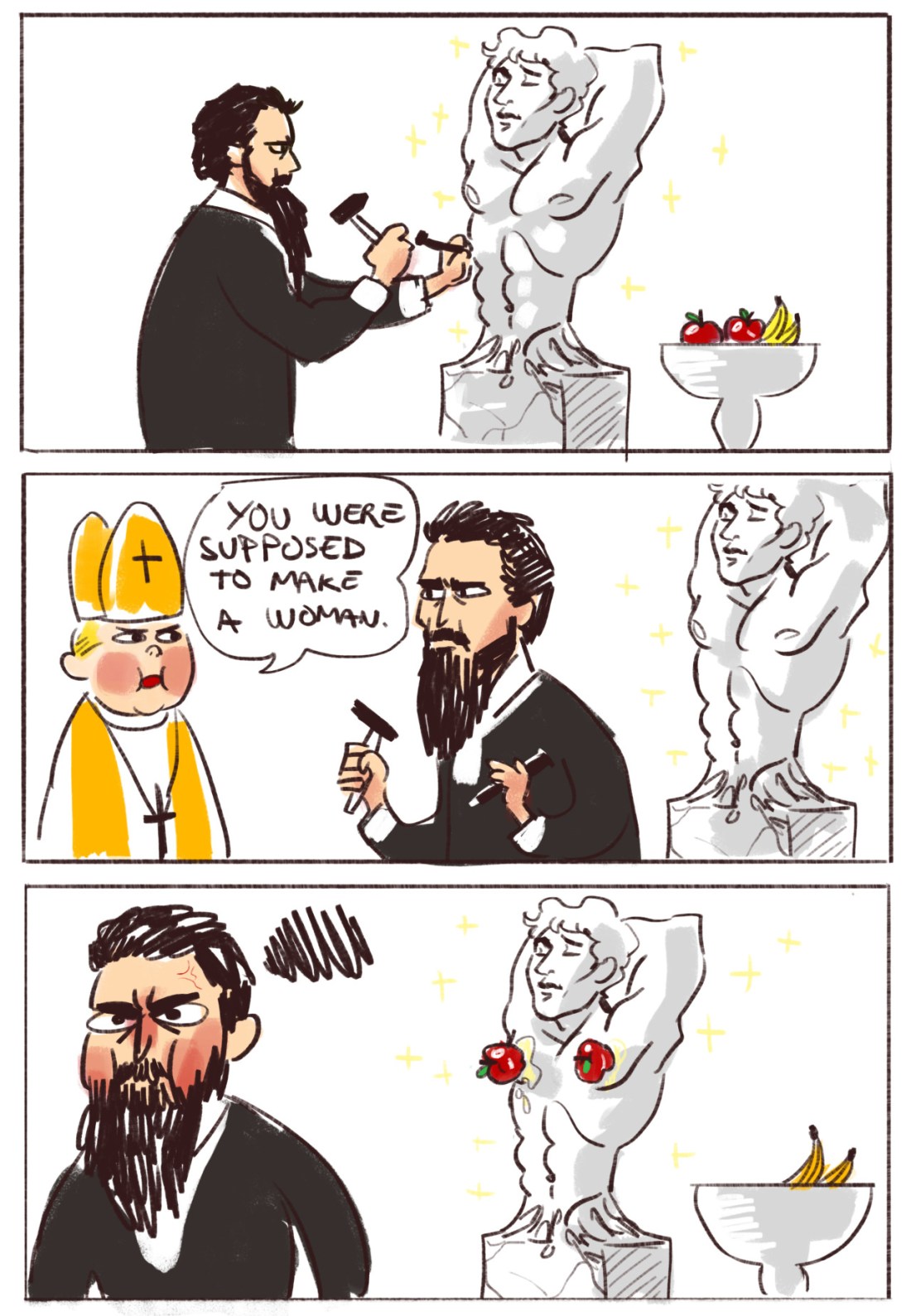
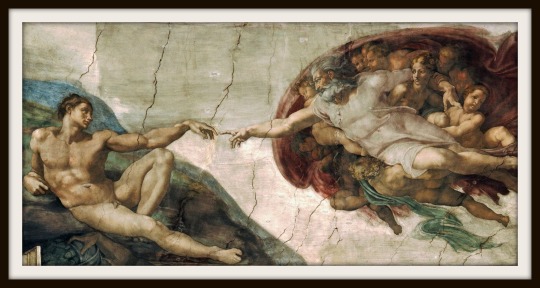
do you ever think about how little Michelangelo cared
All right, everyone, grab a chair and sit back because I’m going to share with you what I learned about Michelangelo and the Sistine Chapel in my Art History Class.
The man NEVER wanted to paint the damn thing. But the pope at the time “forced him to” According to my teacher. Michelangelo hated this man, I MEAN REALLY HATED HIM. So did a majority of people. The pope’s nickname translated literally means “Terrible pope”.
And the working conditions were awful. He had to work on his back with all that paint, which is filled with some toxic shit that gave Michelangelo a limp for the rest of his life. (Also, our teacher made us get on our backs and try drawing with both hands JUST to prove how bad and uncomfortable it is.)
At the time, the ceiling was so high, you could barely see it. You need binoculars to get a good look at what’s up there, by the time people could see the paintings, there was a lot of weird symbolism that Michelangelo hid up there.
This one? The creation of the sun and moon? God is mooning you. And the pope and all others after him prayed under that without knowing.
This one? At the time, dissecting was sacrilegious and everyone found out how behind God was what looked like half a brain. blah blah, science, science, that pissed everyone off.
And also, ALLLLLLL the men and women in the Sistine Chapel are all on fucking steroids. My teacher described the women’s bodies as “Men bodies with boobs slapped on.”
And then there is this:
Now this is the back wall. Michelangelo actually wanted to paint this one after he finished the ceiling. (and there was a different pope too, I believe.) However, originally, EVERYONE in that painting was naked. And they didn’t like it. Adam and Eve naked? That’s cool. But Jesus? Now you crossed the line. So the pope at the time hired someone else to censor it and give the important figures clothes. He worked on it for 6 or 9 months before he died.
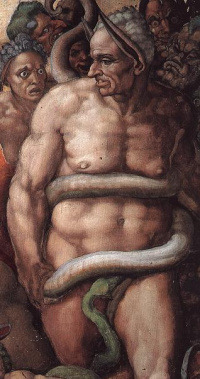
And then the symbolism in this one is great. Somewhere in the right, there are homosexuals in heaven. (No matter what, the Vatican will say “Those straight men are happy” I’ll get to that in a second), Michelangelo painted himself near Jesus, and the terrible pope is in hell with a snake biting his balls.
And if you were to point ANY of this out to the Vatican, they will deny all of it and claim Michelangelo was a catholic hero. In fact, when they discovered the symbolism around the 60s or 70s, the guy who told the Vatican was kicked out of the Vatican for life.
TL;DR: Michelangelo hated the pope and made the best “fuck you” of all time.
YO. ALL OF THIS^. Michelangelo was hella grumpy all of the time. It was fantastic.
However, as beautiful as this commentary is, I’m gonna make a little correction. The Pope isn’t the one in hell getting his balls bitten; that guy is actually the Papal Minister of Ceremonies a the time, Biagio de Cesena.
See, when Michelangelo was painting this, as you said, lots of people were uncomfortable with all of the nudity (especially because the Last Judgement [back wall mural] was painted much later when nudity in religious art was even more controversial than before), but the dude who was the angriest was de Cesena.
He was so angry that he reportedly burst in on Michelangelo while he was working (which is already a big no-no because Michelangelo’s requirements for working were mostly “fuck the hell off and leave me alone or else I quit and I will stab you in the eye with my paintbrush/chisel”.). He then proceeds to tell Michelangelo that this fresco is disgusting and obscene and shame on him etc etc. He also referred to it as “i stui di nudi”, which means “A stew of nudes” which is one of the best descriptions of a thing ever, if you ask me.
So Michelangelo, probably on the cusp of homicide is like “Thank you for the notes. Now get the fuck out,” and de Cesena reluctantly does.
Later, he comes to see the finished product and finds that Michelangelo had painted his portrait down in Hell to represent the Minos, King of the Dead. He has the ears of an ass and the above described crotch biting snake:
Upon seeing this and being enraged, de Cesena went to the Pope to demand that it be changed and that Michelangelo be punished. However, the Pope was SO incredibly done dealing with Michelangelo’s snark, tantrums, and general hatred of the world and everyone in it, that he didn’t want to do shit.
The Pope’s response to him was literally to say “As Pope, I have a lot of influence on Earth and up in Heaven, but I have no jurisdiction in Hell. You’re shit out of luck.“
And it stayed.
Michelangelo, grade A artist, snark master, and professional dick.
My art hero right there lol
All of the above reasons are why I love Michelangelo with a passion.




















 Cheloneuniverse