all these fucking fools on my dashboard talk about how they love bats but only show pictures of fruit bats fuck you start posting pictures of all bats i can’t stand this fucking bat erasure
look at him he’s not your conventionally attractive bat but he deserves just as much love
another beautiful bat you can see her whiskers!!!! look at her
this one’s named after it’s nose looking like a leaf! get fucking with it look she’s adorable!
Ever Wondered How Emperor Penguins Survive in Temperatures of
−40°C
?
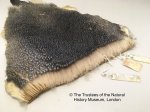
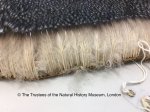
Their feathers are densely packed, and have in fact the highest contour feather destiny of any bird, allowing them to maintain a constant body temperature of 38°C in freezing waters.
Depsite previous reports that filoplumes and plumules aka.downy feathers, are absent in penguins, new research has found the presence of both feathers in the penguin’s plumage. It was assumed before this that afterfeathers were the sole insulation
component in the penguin’s plumage.
These downy feathers are about four times denser than the afterfeathers of the bird and play a key role in the insulation of penguins.
god there’s something horrid and fantastic about this dense, sinful slice of penguin. This feels like something that should be private. We should thank the penguins for the insight, and then we should gently replace that which we should not have witnessed. This knowledge has a heavy weight
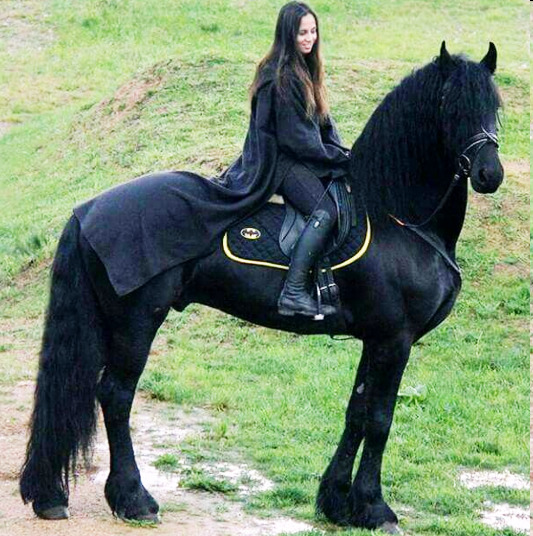
Big Horses are a Very New Thing and they Likely Didn’t Exist in your Historical and/or Fantasy Settings.
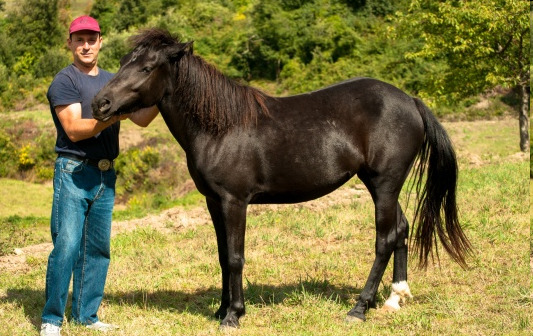
You’ve all seen it in every historical piece of media ever produced. Contrary to popular belief, a big black horse with long legs and long flowing mane is not a widespread or even a particularly old type of horse.
THIS IS NOT A MEDIEVAL THING. THIS IS NOT EVEN A BAROQUE THING. THIS IS A NINETEENTH CENTURY CITY CARRIAGE HORSE.
All the love to fancy Friesian horses, but your Roman general or Medieval country heroine just really couldn’t, wouldn’t, and for the sake of my mental health shouldn’t have ridden one either.
Big warmblood horses are a Western European and British invention that started popping up somewhere around 1700s when agriculture and warfare changed, and when rich folks wanted Bigger Faster Stronger Thinner race horses. The modern warmblood and the big continental draught both had their first real rise to fame in the 1800s when people started driving Fancy Carriages everywhere, and having the Fanciest Carriage started to mean having the Tallest and Thinnest Horses in the town.
Before mechanised weaponry and heavy artillery all horses used to be small and hardy easy-feeders. Kinda like a donkey but easier to steer and with a back that’s not as nasty and straight to sit on.
SOME REAL MEDIEVAL, ROMAN, OTTOMAN, MONGOL, VIKING, GREEK and WHATEVER HISTORICALLY PLAUSIBLE HORSES FOR YOU:
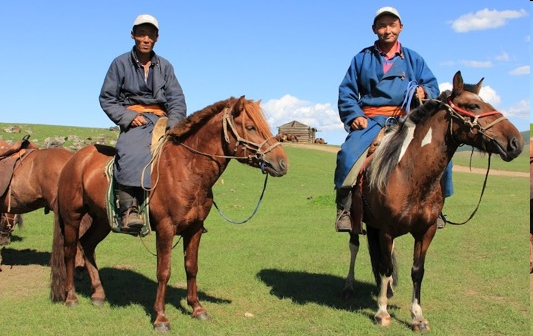
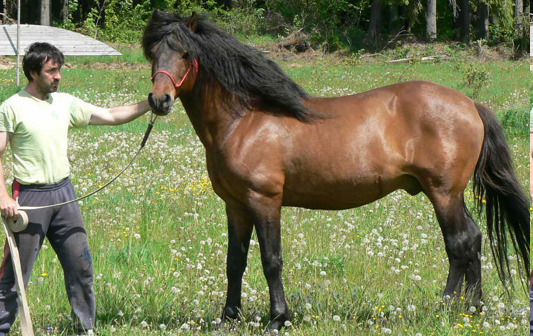
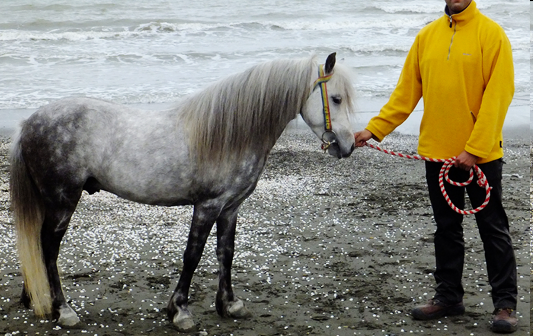
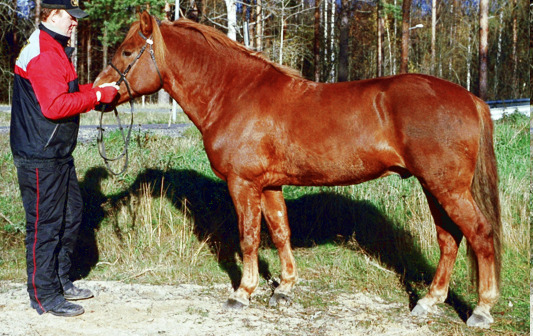
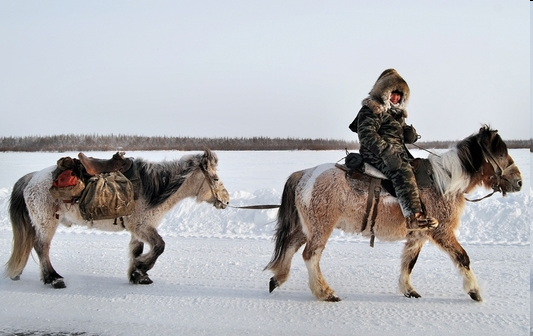
“Primitive”, native breeds all over the globe tend to be only roughly 120-140 cm (12.0 – 13.3 hh) tall at the withers. They all also look a little something like this:
Mongolian native horse (Around 120-130 at the withers, and decendants of the first ever domesticated horses from central Asia. Still virtually unchanged from Chinggis Khan’s cavalry, ancestor to many Chinese, Japanese and Indian horses, and bred for speed racing and surviving outdoors without the help of humans.)
Carpathian native horse / Romanian and Polish Hucul Pony (Around 120-150 at the withers, first mentioned in writing during the 400s as wild mountain ponies, depicted before that in Trajanian Roman sculptures, used by the Austro-Hungarian cavalry in the 19th century)
Middle-Eastern native horse / Caspian Pony (Around 100-130 at the withers, ancestor of the Iranian Asil horse and its decendants, including the famous Arabian and Barb horses, likely been around since Darius I the Great, 5th century BC, and old Persian kings are often depicted riding these midgets)
Baltic Sea native horse / Icelandic, Finnish, Estonian, Gotland and Nordland horses (Around 120-150 at the withers, descendant of Mongolian horses, used by viking traders in 700-900 AD and taken to Iceland. Later used by the Swedish cavalry in the 30 years war and by the Finnish army in the Second World War, nowadays harness racing and draught horses)
Siberian native horse / Yakutian pony (Around 120-140 at the withers, related to Baltic and Mongolian horses and at least as old, as well-adapted to Siberian climate as woolly mammoths once were, the hairiest horse there is, used in draught work and herding)
Mediterranean native horse / Skyros pony, Sardinian Giara, Monterufolino (Around 100-140 at the Withers, used and bred by ancient Greeks for cavalry use, influenced by African and Eastern breeds, further had its own influence on Celtic breeds via Roman Empire, still used by park ranger officers in Italy)
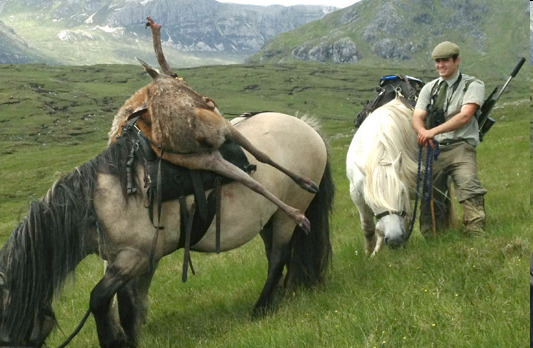
British Isles’ native horse / various “Mountain & Moorland” pony breeds (Around 100-150 at the withers, brought over and mixed by Celts, Romans and Vikings, base for almost every modern sport pony and the deserving main pony of all your British Medieval settings. Some populations still live as feral herds in the British countryside, used as war mounts, draught horses, mine pit ponies, hunting help and race horses)
So hey, now you know!
I love this so much – and now I know why Tall Lanky Thin horses have a terryfying vibe to them, and the “primitive” native pony-like breeds awake in me only hope and trust.
such valid historical finger-eaters here
Okay, so, you got me, I’m a horse person. I used to take riding lessons and would read tons of books about horses as a kid and teenager. You could definitely say I was that weird horse girl, and I really have to say even though this is really informative about the native types of equines in the general European and Middle Eastern areas how FULL OF BS THIS POST IS, SO BUCKLE UP BUTTER CUPS YOU ALL ARE GONNA DO A LEARN TODAY.
So what OP said about the Roman General not riding a Middle Ages war horse is actually correct and here’s why: The Western Roman Empire fell BEFORE THE MIDDLE AGES BEGAN AND IS WHAT TRIGGERED THE BEGINNING OF THE MIDDLE AGES IN THE GODDAMN FIRST PLACE. And for those of you who aren’t aware, the Middle Ages was roughly a 1000 year period that consisted of the 5th through the 15th Century; aka. 400AD-1400AD, and ended with the beginning of the Renaissance. (x, x)
First off, NONE OF THOSE ARE HORSES. THOSE ARE PONIES. You cannot ride ponies into battle while dressed in a full suit of armor because their legs would buckle out from underneath them because they simple aren’t large enough or strong enough o be able to carry the weight of a knight in plate armor. Hence the term WARHORSE. OP literally names off a bunch of PONY breeds, and while ponies were used commonly back then as cart and pack animals, they were not used in battle and thus would be bad steeds for fantasy and historical fictional characters that planned on doing any sort of fighting.
Secondly, the Fresian horse breed certainly WAS around during the Middle Ages because it originated in the Netherlands before the 4th Century and is literally known as the ‘Knight’s Breed’ because their size, strength, and stamina that allowed them to be able to carry the extra weight of a knight, his armor, and the armor the horse would be wearing as well. (x)
AND LASTLY, I’M GONNA HELP OUT ALL MY WRITER FRIENDS BY WRITING UP WHAT MIDDLE AGE WAR HORSES ACTUALLY WERE NAMED, THEIR USES, AND WHAT THEY MIGHT HAVE LOOKED SOMETHING LIKE.
This is so passionate and I love it and my followers will too! But I don’t think destriers/chargers are the same thing, and I really REALLY like the evidence that people have gathered of destriers being about 16hh based on looking at existing horse armor. I honestly don’t think that the armor would fit a Shire although it may vary!
For future reference I also believe that we call them Vanners or Irish Cobs.
Baby elephants suck on their trunks for
comfort, just like human babies suck
their thumbs. Adult elephants do it, too.
Trunk-sucking is most common in the
young, but even old bulls suck their
trunks when they feel nervous or unsure. SourceSource 2
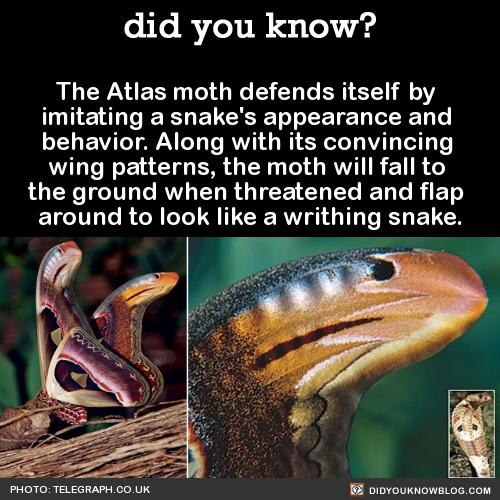
The Atlas moth defends itself by imitating a snake’s appearance and behavior. Along with its convincing wing patterns, the moth will fall to the ground when threatened and flap around to look like a writhing snake. SourceSource 2
Nothing beats being able to play with a gentle fox, one that gets happy from seeing visitors, people she trusts, squeaking and letting me give her neck rubs and nose boops 😀
Makes your dogs look scarier when you want to intimidate people.
Thought cutting off ears prevented rabies. (pro-tip, it does not.)
Subsequently some places taxed working dogs that were not cropped/docked for some reason
Subsequently dog shows only permitted certain breeds to be shown if they were cropped/docked.
And now, aesthetics.
Less chance of losing the tail to injury while working, as seen in some herding, working, and gundog breeds
Nowadays, “happy tail syndrome”, where the dog wags against something so hard that the tail breaks (sometimes requiring amputation). Traditionally docked breeds such as boxers and Dobermans have long, whip-like tails that make them victims of this sometimes, but it’s also seen in breeds like Great Danes and Labradors.
Tail docking today is only done for aesthetics.
‘Happy tail’ injuries requiring amputation are very, very rare. We might see two per year across all our canine patients, and they’re almost always greyhounds, which are not traditionally docked anyway.
Even with my working, herding and gundogs, it’s rare to see any trauma to a tail beyond a little cut. Most major trauma is either the result of a car accident, or a dog fight.
Docking tails makes no significant impact in reducing the incidence of what are really very minor injuries.
It is done only because people think it looks pretty.
A greyhound has a ‘whip-like’ tail. Boxers and Dobermans actually have pretty decent, normal tails.
I’m glad the happy tail argument is off the table, but now I’m curious if it’s true that docking the tail helps prevent spinal issues with long dogs like Corgis and Dachshund?
Oh HELL NO.
The spinal issues in these breeds are due to a combination of breeding for the long back, and the short legs. While daschunds and corgis were the most common candidates for spinal surgery at the specialist clinic, we’d also see plenty of maltese, shih tzus, pugs and their crosses.
These breeds have been selected for
chondrodysplasia, often characterized by their short legs, and a ‘bow’ to the front legs. All dogs with this trait are more prone to intervertebral disc disease.
You want better backs? Breed for straighter, taller legs. Don’t chop off their tails.
The only tail I’ve ever know to be docked for medical reasons was a tiger at my homtown’s zoo (he wouldn’t stop chewing on it as a cub and it kept getting infected). And that was after a year-plus fight of trying non-surgical solutions.
Yup, that’s the point you just stay still and let it do whatever the fuck it wants that doesn’t involved you getting eaten.
REALLY FUN FACT for big cats cheetahs are fucking docile as shit
my grandfather ran a cheetah sanctuary in south africa and he’d just lie with them and sleep among them and they’d rub against him and chirp at him they’re big fucking babies
Another Fun Fact: Cheetahs are incredibly nervous animals. One of the (many) reason’s they’re going extinct is that cheetahs are so sensitive and nervous, some of them are literally too nervous to breed. Others will breed, but stress themselves out so much, they’ll lose their cubs.
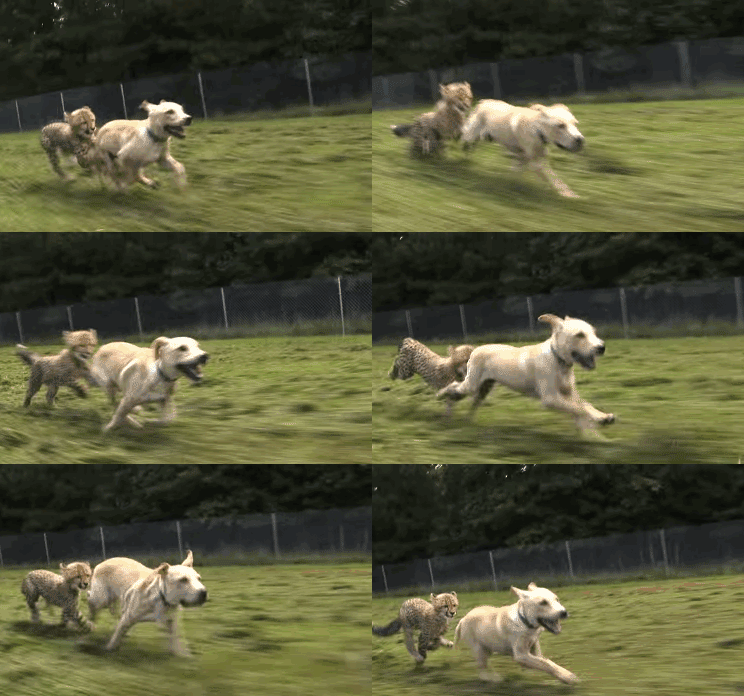
So zoos with breeding programs had to figure out how to make cheetahs comfortable enough to first of all, get laid and secondly – not spazz themselves into miscarrying.
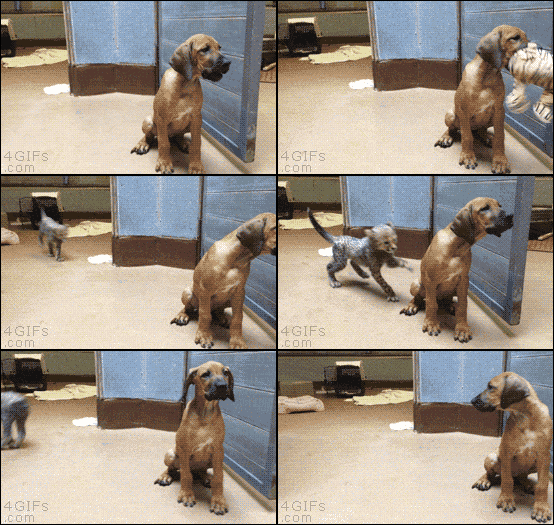
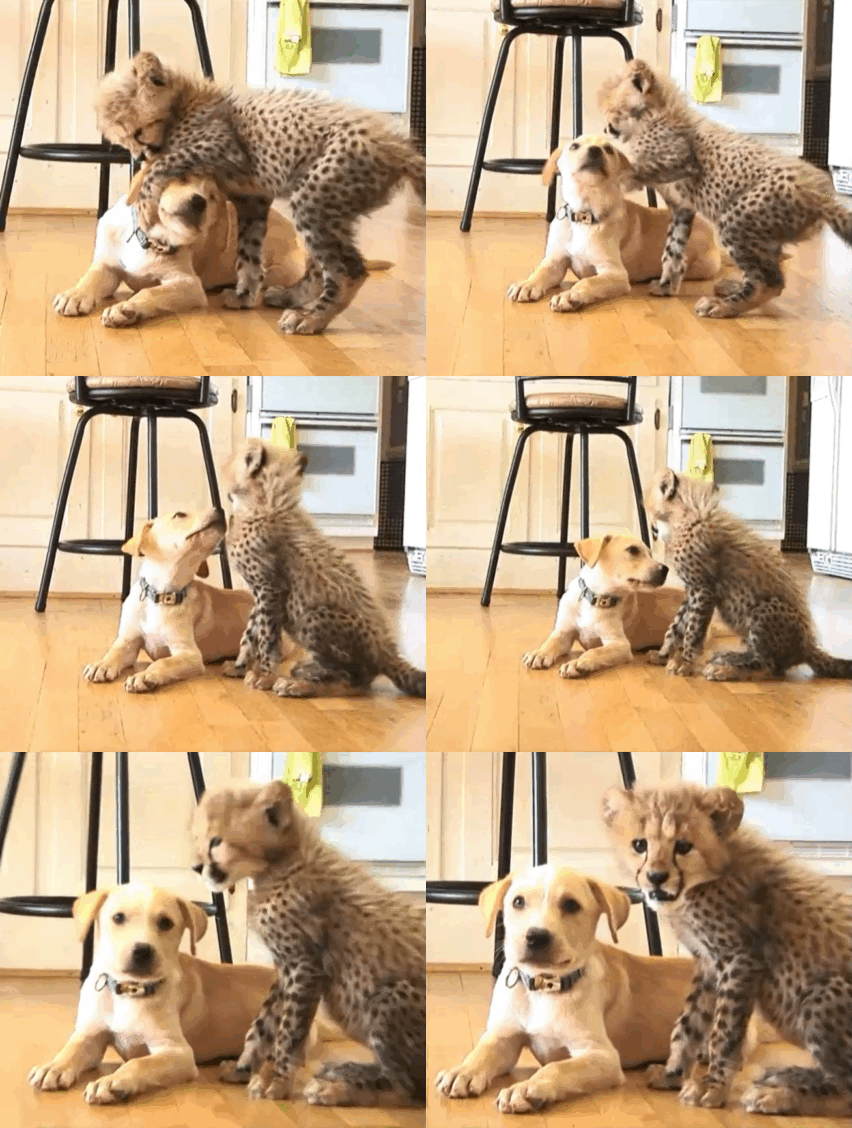
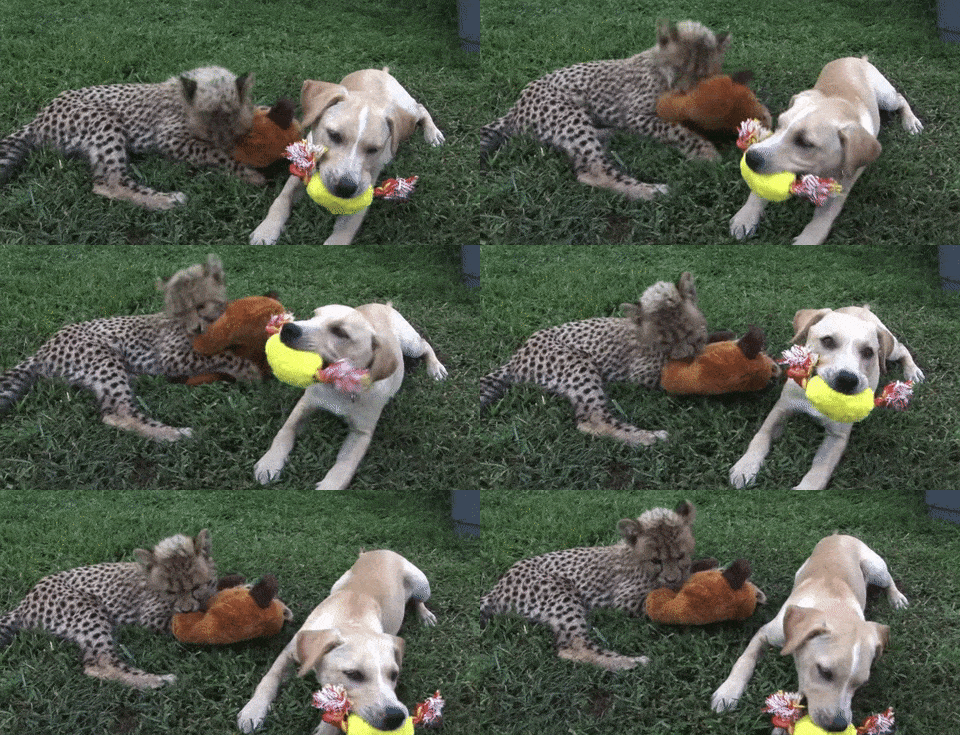
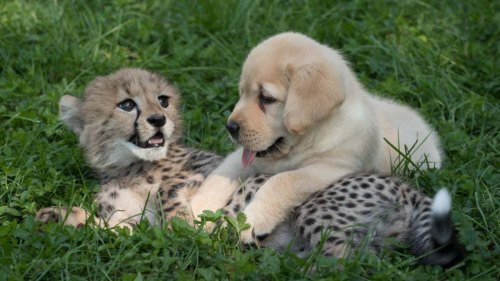
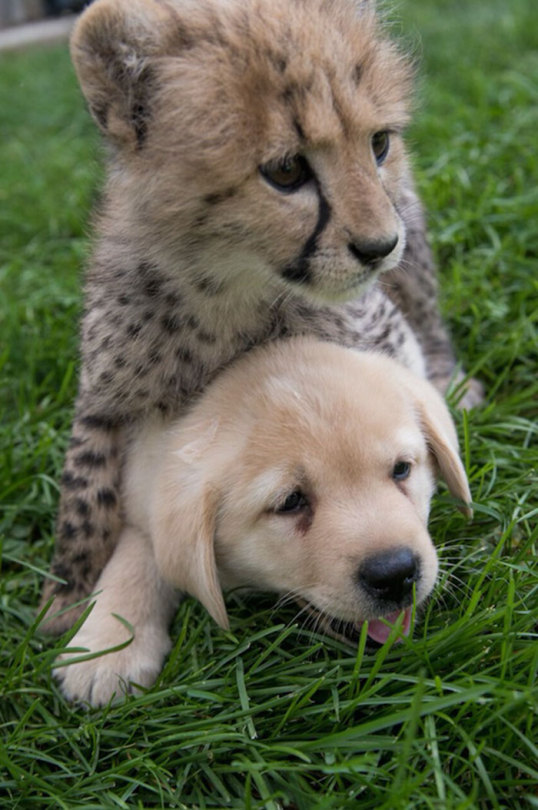
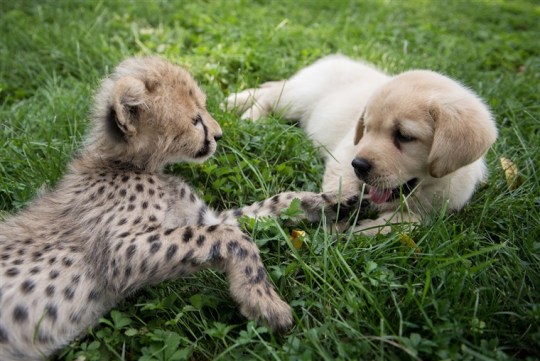
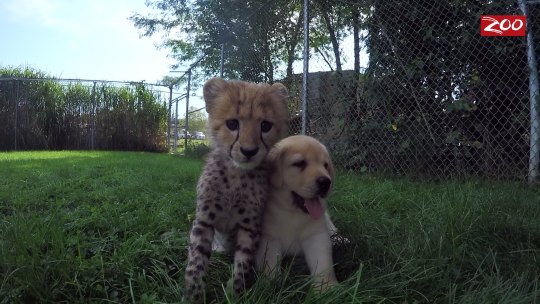
So what’d they do? They gave the cheetah’s their very own Service Dogs!
The dogs make them feel safe, protected and secure!





















 Cheloneuniverse